
Karakover is a baby of the pandemic. We made an App that covers every need in different situations.
From that vision arose the mission to create a tool for musicians, from the absolute beginner to the advanced amateur, enabling them to learn to play their favourite instrument, to bring it step by step to perfection and to ultimately play it with other musicians, just like playing in a band. All this independent of place or time. The integrated recording and mixing console ultimately enables the user to upload the so created work to the infinitely huge virtual world – Karakover was born.
This was our goal:
Skill-Level Breakdown
Whether you’re picking up your instrument for the first time or refining advanced techniques, Karakover grows with you. Songs are divided into progressive challenges designed for beginners, intermediate players, and advanced musicians. Each level builds specific skills, helping you improve naturally through real music instead of repetitive drills.
Interactive Learning
No heavy music theory. No overwhelming exercises. Just choose your instrument, select your level, and play. Learning happens organically as you interact with real arrangements in real time. It’s intuitive, engaging, and designed to keep you coming back.
Why It Matters
For Students & Teachers
Karakover transforms traditional lessons into live-band experiences. Students gain timing, groove, and ensemble awareness—skills often missing from solo practice. Teachers gain a powerful, ready-to-use tool that makes lessons more dynamic and performance-oriented.
For Home Musicians
Practicing alone can feel repetitive. Karakover replaces isolation with energy. You experience the excitement of locking in with a rhythm section, building confidence and musicality every time you play.
For Creators
Music today is meant to be shared. With built-in record-and-publish features, you can instantly capture your performance and share covers or originals on platforms like TikTok and YouTube. Don’t worry about copyright issues, with your subscription to Karakover, you have also acquired all necessary copyrights. Turn a practice session into content. Turn a jam into your next viral post.
Community & Growth
Karakover launches with 30 carefully curated songs selected for technical progression and musical diversity. Every month, 5 new songs are added to keep the catalog fresh and challenging.
Karakover isn’t just an app. It’s a stage in your pocket.
Practice with purpose. Perform with confidence. Play anytime.

How It Works
Whether you’re an absolute beginner, picking up your instrument for the first time, an amateur musician, confidently playing your favourite song or an advanced player, mastering a small repertoire of songs and looking to refine your techniques, Karakover got you covered.
We will make beginners feel like they’re already making music, not just practicing, by learning simple chords and where they live on the fretboard, and building timing, rhythm and band awareness.
You don’t need complex theory to start making music—you need rhythm, a few chord shapes, and the ability to listen. Let’s get started with the basics. If you’re not a beginner anymore, simply skip the steps you master or use them to revise your already acquired techniques, and just jump in at the level you feel confident with.
Part 1: The Guitar or other instruments as a Map (Geographical Understanding)
Think of the guitar neck as a map:
Introduce just 3 “locations”:
Keep it visual: “We’re staying in this neighborhood first.”
Part 2: Simplified Chords (Instant Playability)
Start with easy versions instead of full shapes:
Here are some examples:
In short: “These are the same chords bands use—just stripped down.”
Part 3: Playing with a Band Feel
This is the key difference—you’ll you feel immersive, entirely involved.
Use a backing track or loop:
At the same time, let’s introduce timing:
Let us emphasize two important points:
Part 4: 3-Chord “Band Jam”
Learn a super common progression:
Loop it with a backing track.
Encourage yourself by :
Let yourself feel like: “You’re now the rhythm guitarist in a band.”
Part 5: Listening & Musical Awareness
Now, let’s introduce basic band roles:
Ask yourself:
Part 6: Skill Building Without Killing the Vibe
Instead of practicing drills, embed your skills into music:
How can bands like The Beatles, Foreigner, Heart, Thin Lizzy and many others inspire you? They all started with simple chords! That’s the cool point: “Simple chords & strong rhythm = real music”.
So, join in and:
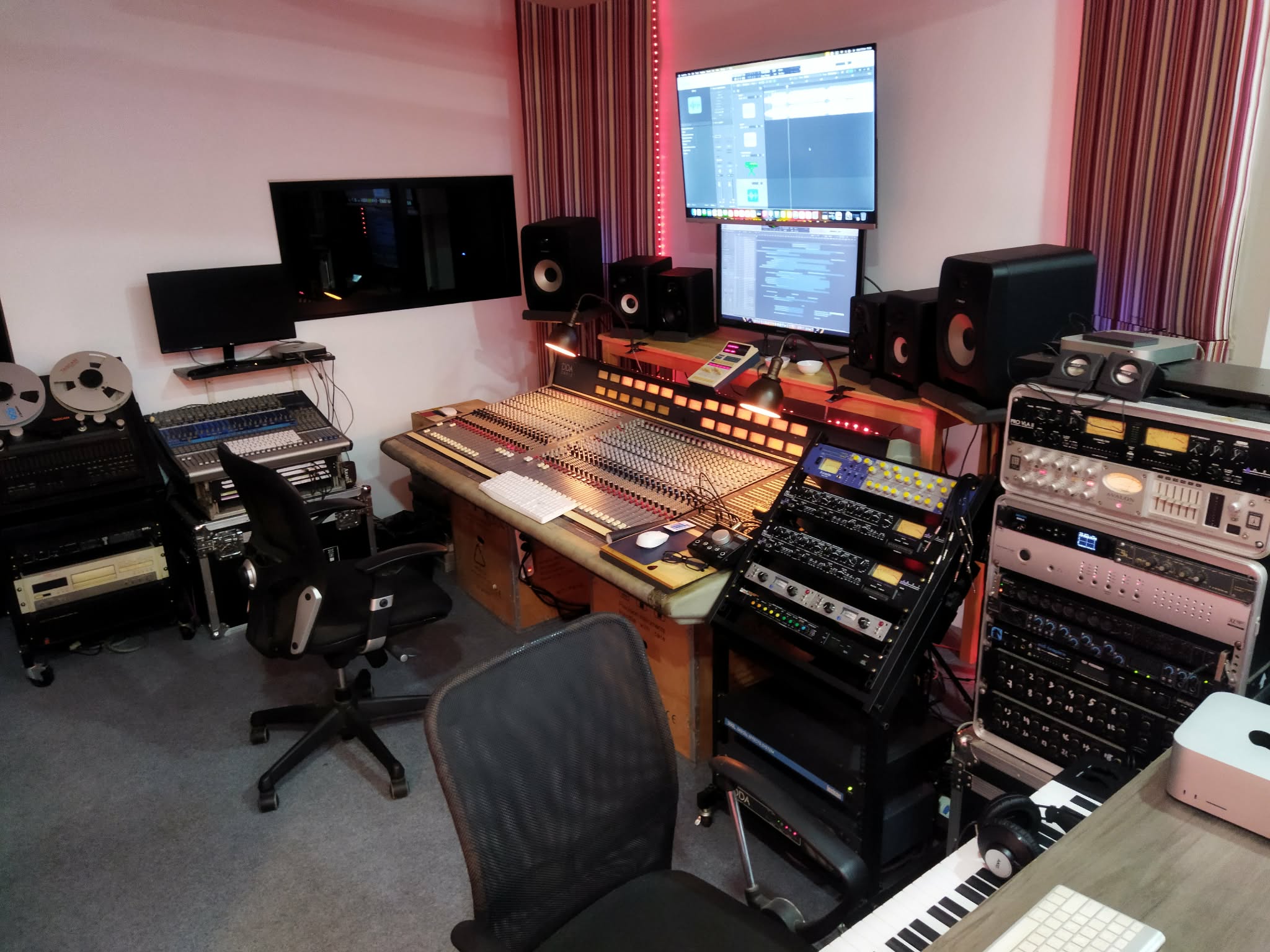
Our studio workplace
Founder
Our Partner